
Overlays That Reset the Clock on Pavement
Driveway Resurfacing in DeBary for driveways showing surface wear but structurally sound bases
Driveway resurfacing removes the top one to two inches of deteriorated asphalt and replaces it with a fresh overlay that bonds to the existing base structure, creating a smooth, uniform surface at a fraction of the cost required for full excavation and replacement. HomePro Outdoors LLC evaluates the underlying foundation to confirm it remains stable before resurfacing driveways in DeBary, addressing surface-level cracks, fading, and minor scaling while adding ten to fifteen years of functional life to pavement that still has solid structural integrity beneath the worn top layer.
The process involves milling away damaged surface material, cleaning the exposed base to remove debris and loose aggregate, and applying hot-mix asphalt in a uniform layer that's compacted to match the density of the original pavement. This approach works when hairline cracks, UV fading, and minor surface imperfections are the primary concerns, but it will not correct deep structural issues like severe shifting, large voids beneath the pavement, or widespread base failure that causes the driveway to settle unevenly. Attempting to overlay pavement with compromised foundation simply masks problems temporarily, as cracks and voids will telegraph back through the new surface within months.
Request a foundation assessment to determine whether resurfacing or full reconstruction is appropriate for your driveway's current condition.
How Overlays Extend Pavement Life
Resurfacing requires the existing base to be structurally sound, meaning it does not show signs of deep cracking, significant settling, or erosion that would compromise the overlay's stability. The new asphalt layer is typically one and a half to two inches thick, providing enough material to create a durable surface while avoiding excessive height increases at garage thresholds or property transitions. Proper bonding between the overlay and the existing base is achieved by applying a tack coat adhesive that prevents the layers from separating under thermal expansion and traffic stress.
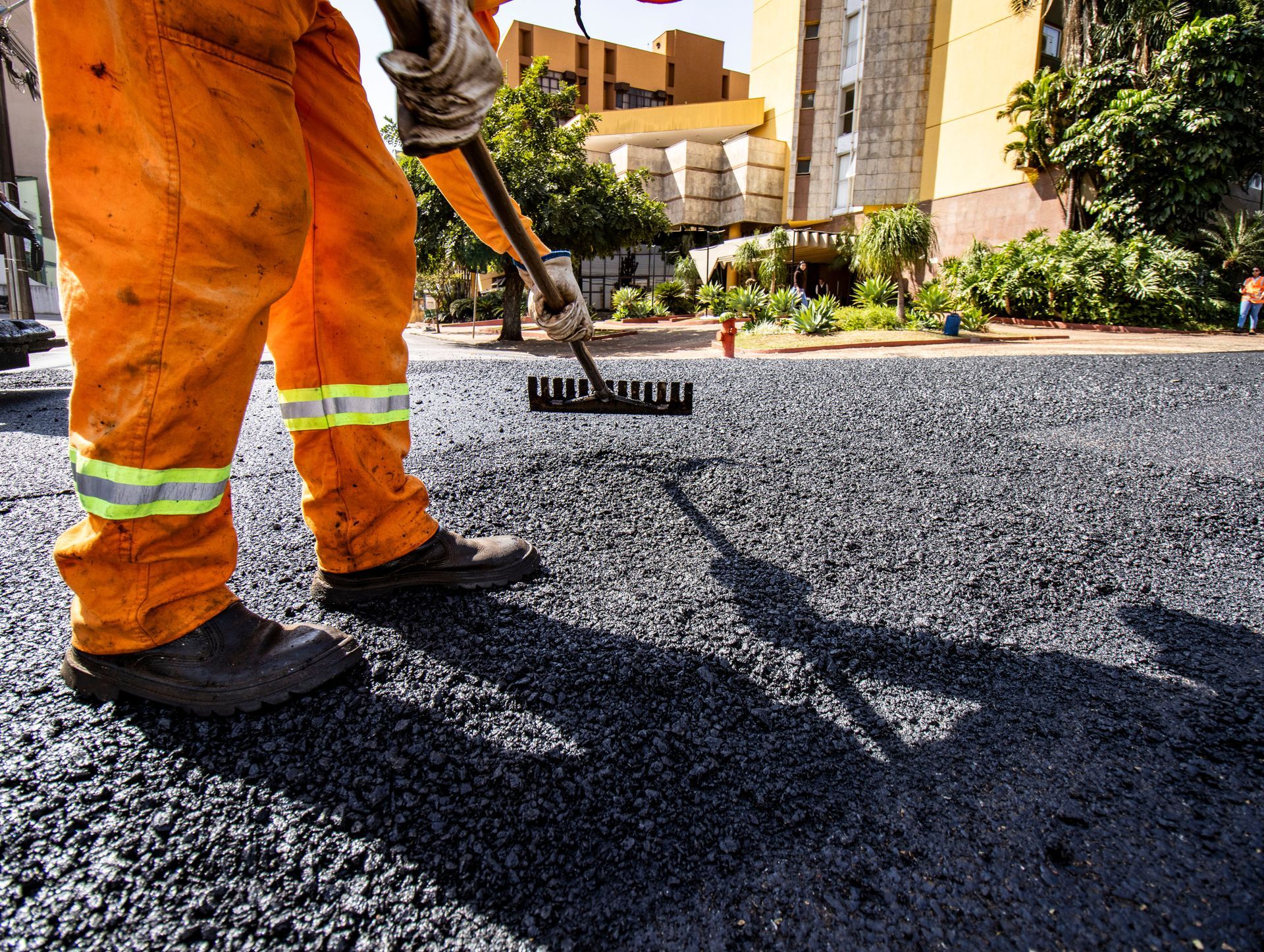
Once resurfacing is complete, the driveway appears jet-black and uniform, with all surface cracks and faded areas eliminated and a smooth texture that sheds water effectively. The pavement feels noticeably firmer underfoot compared to the worn, porous surface that existed before, and vehicles no longer track loose aggregate or create dust when driving over the area. Water runoff flows predictably toward drainage points instead of pooling in depressions or seeping into cracks that previously allowed moisture to penetrate the base and cause freeze-thaw damage or further deterioration.
The driveway typically requires twenty-four to forty-eight hours of curing time before vehicle traffic is allowed, and applying a high-quality sealcoat approximately one year after resurfacing protects the fresh asphalt from oil spills, UV degradation, and water penetration that would otherwise accelerate surface aging. Resurfacing does not address drainage issues, so if the original driveway had poor grading or inadequate slope, those problems will persist unless grading corrections are made during the overlay process.
Answers to Common Resurfacing Questions
Homeowners in DeBary considering resurfacing want to understand how the process differs from full replacement and what determines whether their driveway is a suitable candidate.
What signs indicate a driveway needs resurfacing rather than replacement?
Surface-level cracks, fading, and minor scaling suggest resurfacing is appropriate, while deep structural cracks, significant settling, or large potholes indicate the base has failed and requires full excavation and reconstruction.
How long does a resurfaced driveway last before it needs attention again?
A properly installed overlay adds ten to fifteen years of life to the pavement, assuming the underlying base remains stable and routine maintenance like sealcoating is performed to protect the new surface from weathering.
Why is the base condition so critical before resurfacing?
The overlay relies entirely on the stability of the existing foundation, so any voids, cracks, or shifting in the base will eventually cause the new asphalt layer to crack and settle in the same patterns as the original surface.
When is the best time to sealcoat a newly resurfaced driveway in DeBary?
Sealcoating should be delayed for approximately one year after resurfacing to allow volatile oils in the fresh asphalt to evaporate, ensuring the sealant bonds properly and does not trap moisture beneath the protective layer.
What preparation happens before the overlay is applied?
The existing surface is milled or cleaned to remove loose material and debris, edges are tapered or feathered to create smooth transitions, and a tack coat adhesive is applied to bond the new asphalt layer to the prepared base.
HomePro Outdoors LLC performs driveway resurfacing that restores appearance and extends pavement life when the underlying structure remains sound, offering a cost-effective alternative to full replacement for driveways showing surface wear but no deep structural compromise. Schedule a driveway evaluation to assess base condition and confirm whether resurfacing will deliver lasting results for your property.