
Additional Parking Without Backing Into Traffic
Driveway Extension in DeBary for properties needing space to maneuver vehicles safely
Households with multiple vehicles or properties that host frequent visitors often find themselves parking on grass, blocking sidewalks, or forcing guests to park on the street where sightlines and traffic create hazards. Extending a driveway adds functional pavement area that accommodates additional vehicles and provides room to turn around without reversing into busy roads. HomePro Outdoors LLC designs and installs driveway extensions in DeBary that match existing materials and integrate seamlessly with current pavement layout, eliminating the need for vehicles to back out blindly or park on unimproved surfaces that become rutted and muddy during Florida's rainy season.
The extension process involves excavating the designated area to proper depth, installing compacted base material that prevents settling, and placing asphalt, concrete, or pavers that match the existing driveway's appearance and grade. Proper grading ensures water drains away from the home and does not pool along the new pavement edge, which is especially important in DeBary where afternoon storms deliver heavy rainfall that can saturate ungraded surfaces and cause erosion beneath the pavement over time.
Arrange a site consultation to evaluate available space and determine the extension layout that best serves your property's traffic patterns.
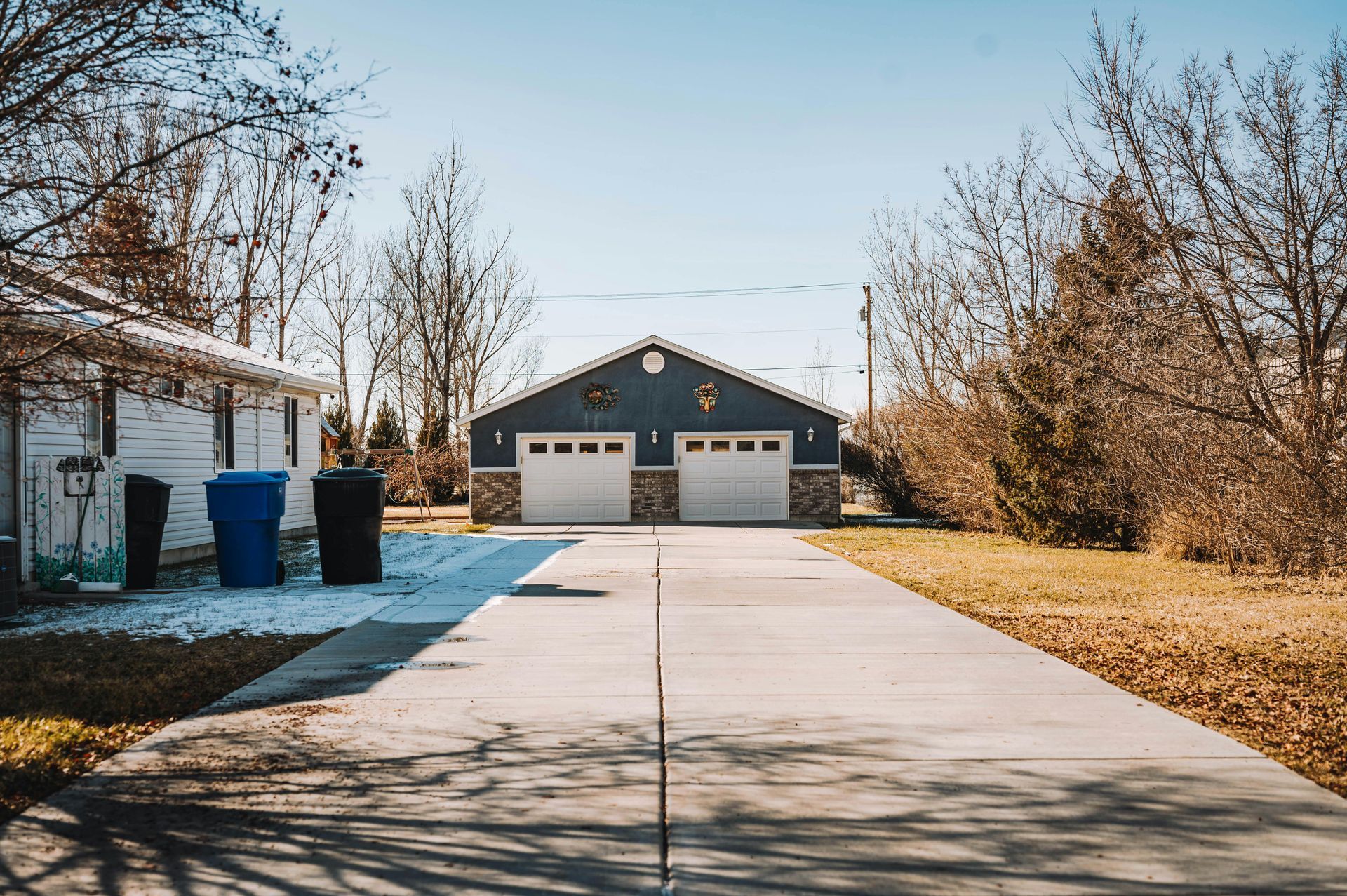
What Changes After Additional Pavement Is Installed
Driveway extensions require matching the existing surface material to ensure consistent appearance and structural performance, whether that involves asphalt that blends with the original black surface, concrete that maintains uniform texture and color, or pavers arranged in a pattern that complements the home's exterior. The extension must be properly bonded or jointed to the existing driveway to prevent separation as materials expand and contract with temperature changes, and the base layer must be compacted to the same density as the original driveway to avoid differential settling that creates an uneven transition.
Once completed, you gain defined parking spaces where vehicles previously parked on grass or gravel, and turning maneuvers become straightforward without needing to reverse into the street. The property's exterior appears more finished and intentional, with clear pavement boundaries that guide vehicle placement and eliminate the worn tire tracks and mud ruts that develop when cars repeatedly park on unpaved ground. Guests no longer need to navigate uneven or soft surfaces to reach their vehicles, and the risk of tire damage from hidden ruts or rocks is eliminated.
Extensions can be designed to widen the driveway along its length, add a separate parking pad adjacent to the main drive, or create a turnaround area that allows vehicles to exit facing forward. The specific layout depends on available property width, setback requirements, and how vehicles will use the space once the extension is complete.
Common Questions About Adding Pavement Space
Property owners planning driveway extensions often want to understand how the new pavement will integrate with their existing surface and what factors influence the project scope.
How is the extension material matched to the existing driveway?
Material type, color, and texture are selected to blend with the current surface, though perfect color matching with aged asphalt or concrete is difficult since new material has not yet weathered or faded to match the original installation.
What preparation is required before the extension can be paved?
The extension area is excavated to remove topsoil and organic material, then filled with compacted aggregate base that provides a stable foundation and prevents the pavement from settling unevenly after installation.
Why does proper grading matter for a driveway extension in DeBary?
Florida's intense rainfall requires precise grading to direct water away from both the home's foundation and the pavement edges, preventing erosion and water infiltration that would compromise the base material and cause premature pavement failure.
How much additional parking does a typical extension provide?
The added capacity depends on the extension's dimensions, though a ten-foot widening along a twenty-foot driveway length typically accommodates one additional full-size vehicle or provides turning space that eliminates the need to reverse into the street.
When should an extension be sealed or maintained after installation?
Asphalt extensions benefit from sealcoating approximately one year after installation, once the material has cured and any volatile oils have evaporated, while concrete extensions may require joint sealing to prevent water infiltration at control joints.
HomePro Outdoors LLC completes driveway extensions that expand parking capacity and improve vehicle maneuverability while maintaining visual consistency with your property's existing pavement. Contact us to evaluate your property layout and discuss extension options that address your specific parking and access needs.